Introduction –Mehrauli Archaeological Park Walk-Delhi’s Timeless Heritage with Guide
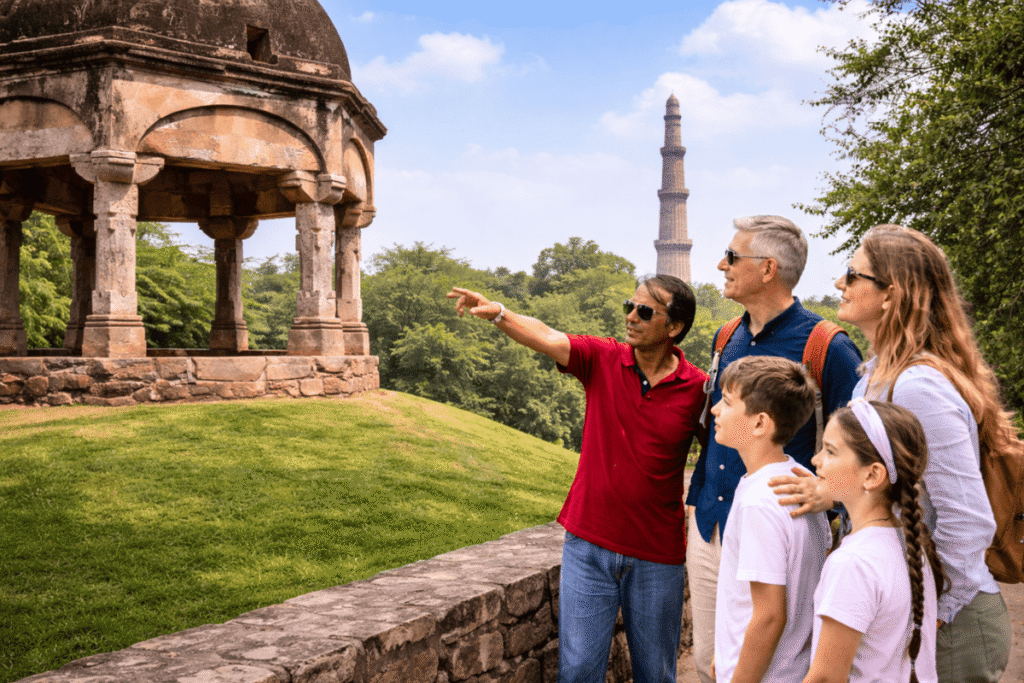
As you step away from Qutub Minar, the noise of Delhi slowly fades into silence. The Mehrauli archeological park walk begins not as a typical tour, but as a journey through a hidden world of ruins, trees, and forgotten stories. Spread across 200 acres, this heritage trail connects over 100 monuments from Rajput, Sultanate, Mughal, and British eras—all in one place. Here, you don’t just visit history—you walk through it. With a Delhi tour guide, every step reveals stories most travelers miss.
Mehrauli Archeological Park Walk Overview – A Journey Across Centuries
Discover Delhi’s Hidden Heritage Beyond the Guidebooks ⭐
Step into a different side of Delhi with this Mehrauli archeological park walk, where history, nature, and storytelling come together. Away from crowded monuments, this guided experience takes you through forgotten ruins, stepwells, and tombs just a short walk from Qutub Minar.
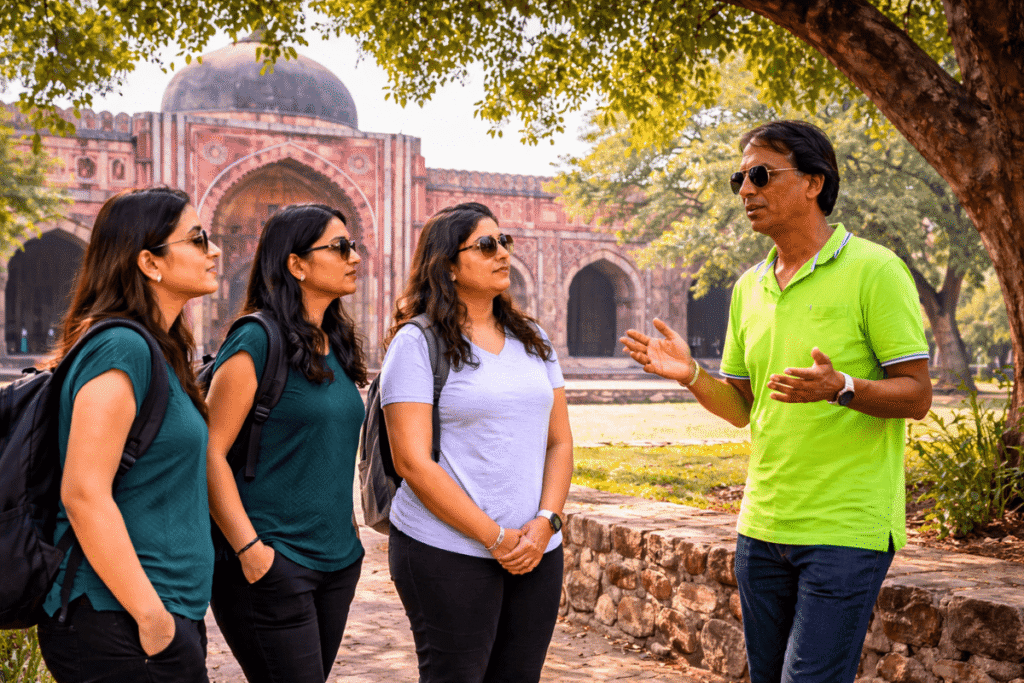
With a local Delhi tour guide, every monument reveals stories you won’t find online—making this walk truly personal and memorable.
Mehrauli Archeological Park Timings
Mehrauli Archeological Park Timings: 6.00 AM till 7.30 PM
Morning walks offer soft lighting and cooler temperatures, while afternoons are ideal for guided storytelling experiences.
Experience Highlights
Walk through 1000 years of Delhi’s history in one trail
Explore hidden gems like stepwells, Mughal tombs & ruins
Enjoy a private guided tour with storytelling
Taste local street food experience
Visit a nearby village for an authentic cultural touch
Perfect for photographers, history lovers & curious travelers
Quick Details
Meeting Point: Entrance of Mehrauli Archaeological Park / Qutub Minar Ticket Counter
Mehrauli Archeological Park Walk Duration: 4 hours | Approx. 5 km Price: INR 950 per person
👉Book your: Mehrauli archeological park walk with a Delhi tour guide and explore hidden stories beyond guidebooks.
Quli Khan’s Tomb – A Monument That Changed with Time in Mehrauli Park
One of the most fascinating stops on the Mehrauli archeological park walk is Quli Khan’s Tomb.
Originally built during the Mughal period, this tomb later took on a completely different role during British rule. A British officer transformed it into a retreat known as “Dilkusha,” which translates to “heart’s delight.” This transformation reflects how monuments in Delhi often adapt to new rulers and new purposes.
Standing at this site, you can observe both Mughal architectural features and colonial modifications. The elevated platform offers a panoramic view of the surrounding area, making it a perfect place to pause and reflect during the Mehrauli archeological park walk.
Jamali Kamali Mosque – A Place of Spiritual Energy
As you continue the Mehrauli archeological park walk, you arrive at Jamali Kamali Mosque, a site that combines architectural beauty with spiritual depth.
Built in the early 16th century, the mosque is known for its intricate decorations and Persian inscriptions. Adjacent to it is the tomb of Jamali, a Sufi saint and poet.
What sets this place apart is its atmosphere. Visitors often describe a sense of calm mixed with mystery. The quiet surroundings, combined with the detailed craftsmanship, make it one of the most memorable stops on the walk.
Boat House – A Glimpse into British Leisure
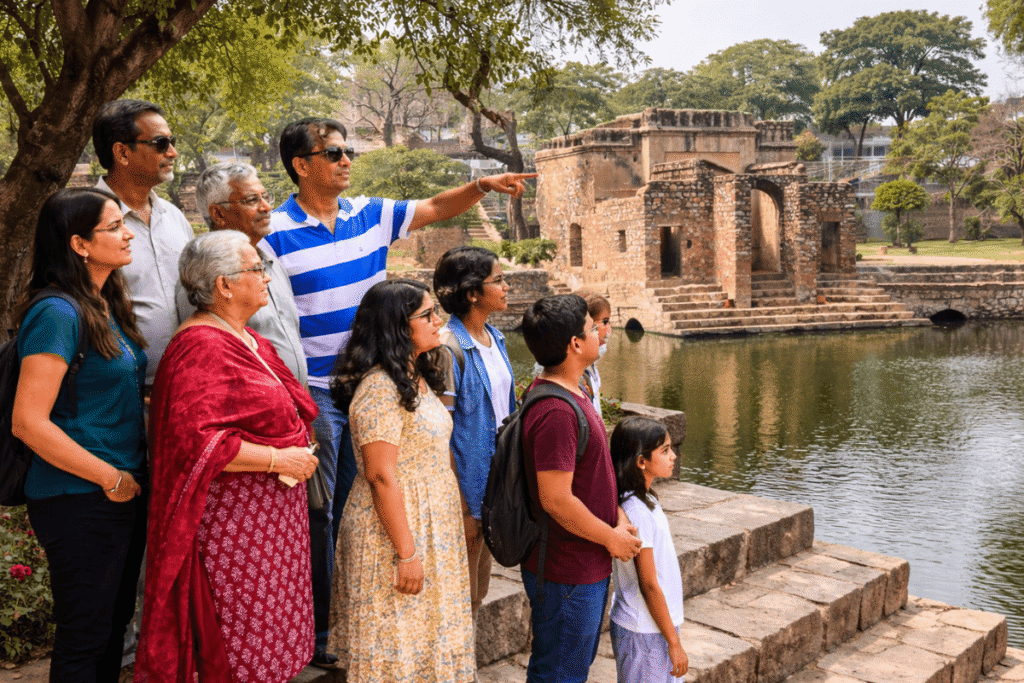
Hidden within the park, the Boat House reflects the colonial vision of Thomas Metcalfe, built as a private retreat during the British era. This story connects back to Alauddin Khilji, who created the Hauz Khas lake and complex for water storage and learning. Together, they reveal how the Mehrauli archeological park walk blends Sultanate engineering with British lifestyle, showing the evolution of Delhi across centuries. Learn More: Hauz Khas Village Lake & Palace
Rajon Ki Baoli – Discover Medieval Life on Mehrauli Archeological Park Walk
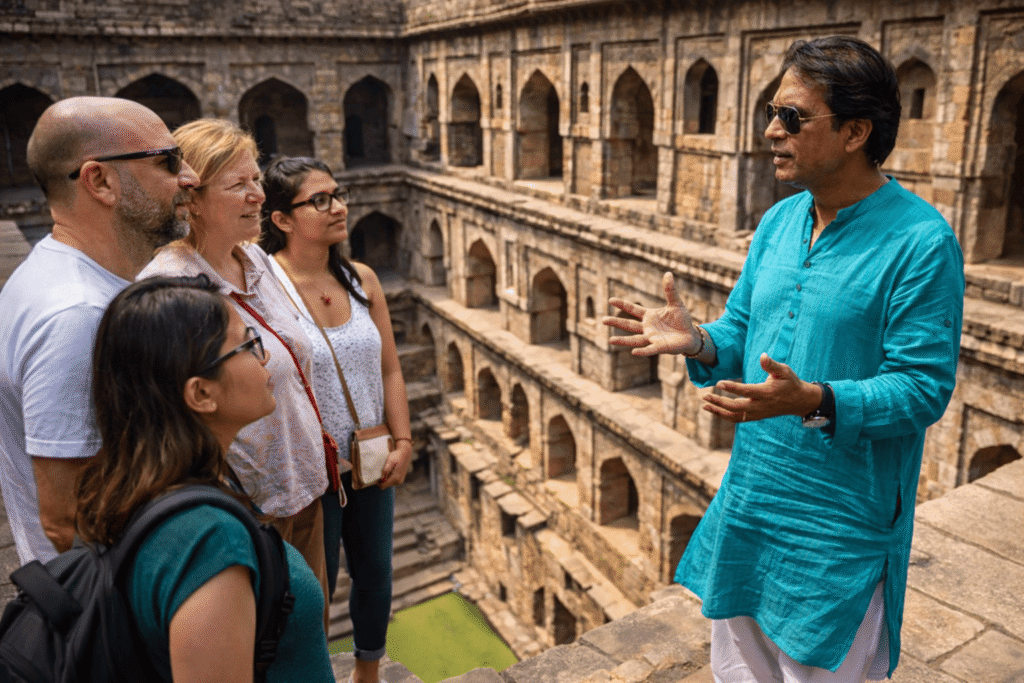
Descending into Rajon Ki Baoli is one of the highlights of the Mehrauli archeological park walk. Much like the famous Agrasen Ki Baoli in central Delhi, this stepwell reflects how water structures once played a vital role in everyday life.
Built during the Lodi period, Rajon Ki Baoli was primarily used by workers and masons. Its design is both functional and beautiful, with multiple levels of arches creating a striking visual effect.
The cool air inside the structure offers relief from the heat, just as it did centuries ago. It’s easy to imagine people gathering here, drawing water, and sharing stories. This connection to everyday life makes Rajon Ki Baoli especially meaningful.
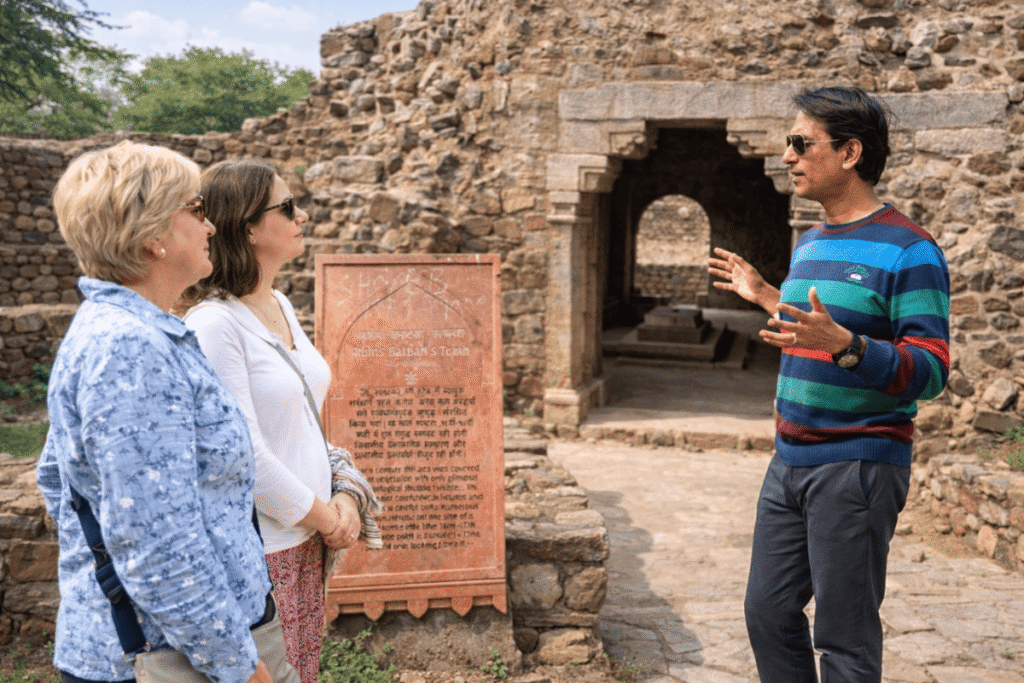
Balban’s Tomb – The Sultan Behind Delhi’s Chilla Tradition
Another important stop is Balban’s Tomb, often considered the site where the first true arch in Indian architecture appeared.
Although much of the structure is now in ruins, its historical significance is immense. It marks a transition in architectural techniques that would later define Indo-Islamic structures.
Including this site in your Mehrauli archeological park walk adds an educational dimension, helping you understand how architectural styles evolved.
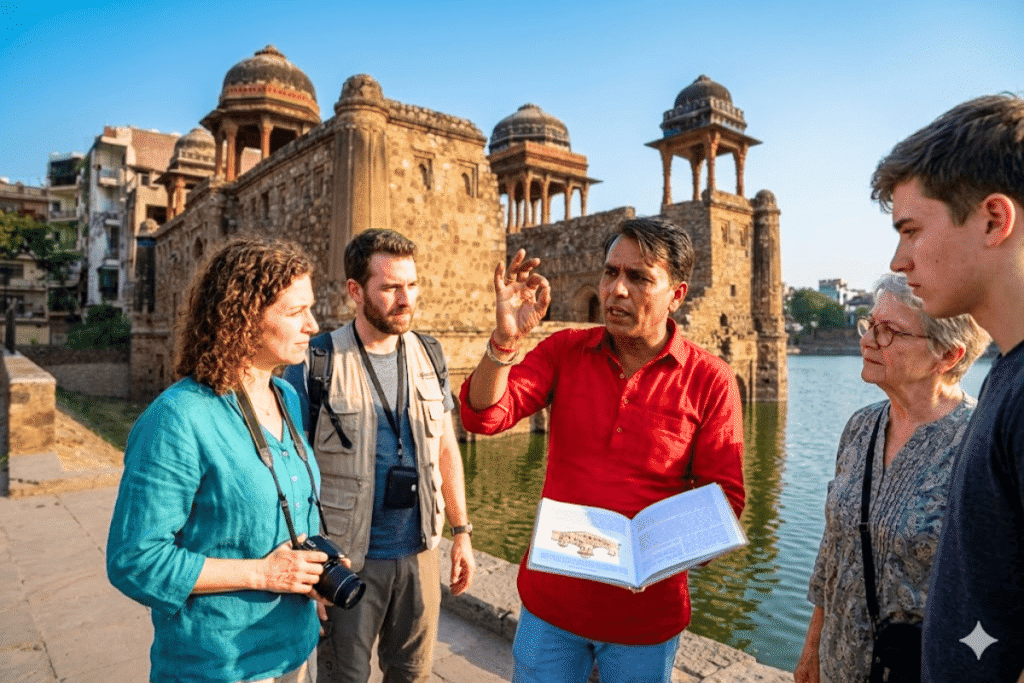
Jahaz Mahal – A Palace That Floats near Mehrauli Archeological Park
Located near the park, Jahaz Mahal is often included in an extended Mehrauli archeological park walk. Built during the Lodi period, it was designed as a retreat for pilgrims. During the monsoon, when water surrounds the structure, it appears like a ship floating—hence its name. This visual effect makes it one of the most unique monuments in the area.
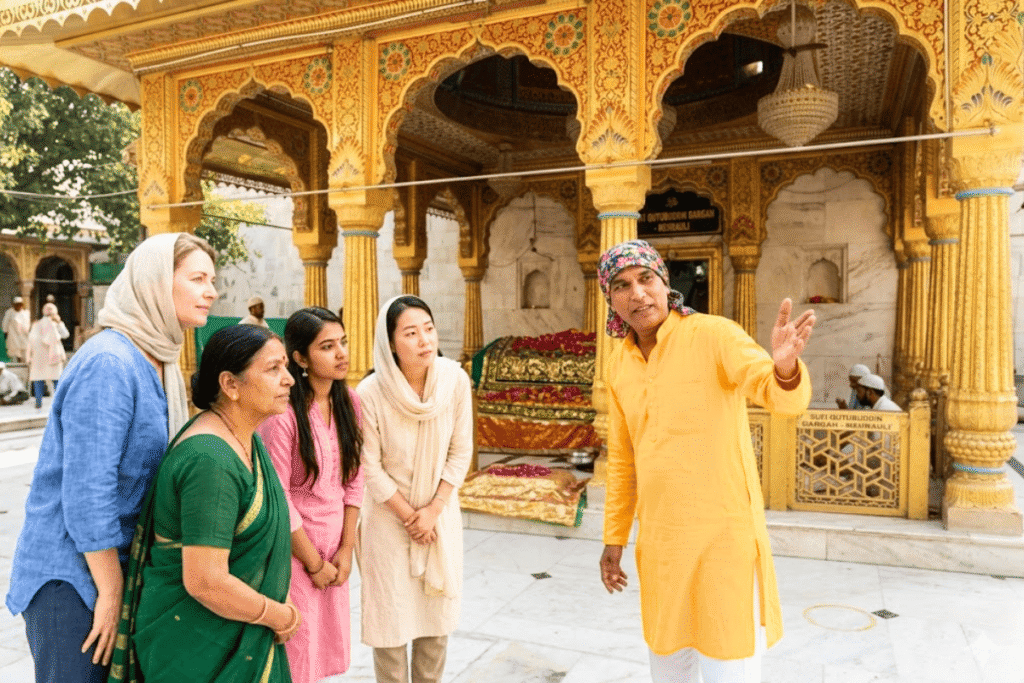
Qutbuddin Bakhtiar Kaki Dargah – Living Heritage Mehrauli
The nearby Qutbuddin Bakhtiar Kaki Dargah adds a living spiritual dimension to the Mehrauli archeological park walk. A revered Sufi saint of the 13th century, his teachings influenced many, including Nizamuddin Auliya, whose shrine in Nizamuddin Dargah continues this spiritual legacy. Together, they reflect Delhi’s deep Sufi tradition of peace, devotion, and connection.
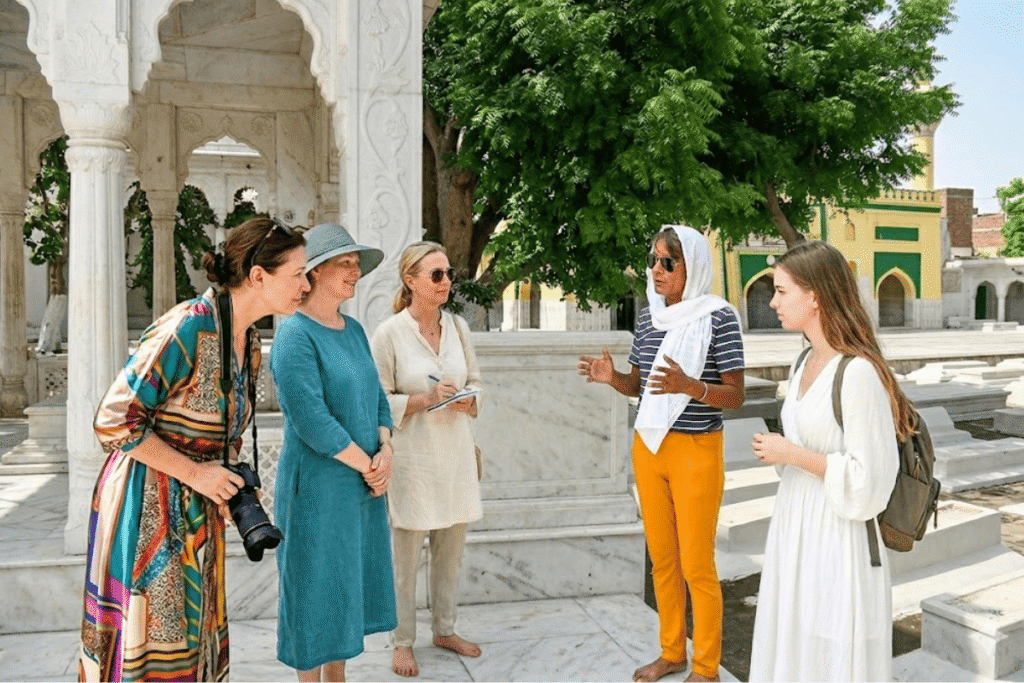
Hijron Ka Khanqah – Hidden Gem near Mehrauli Archeological Park Walk
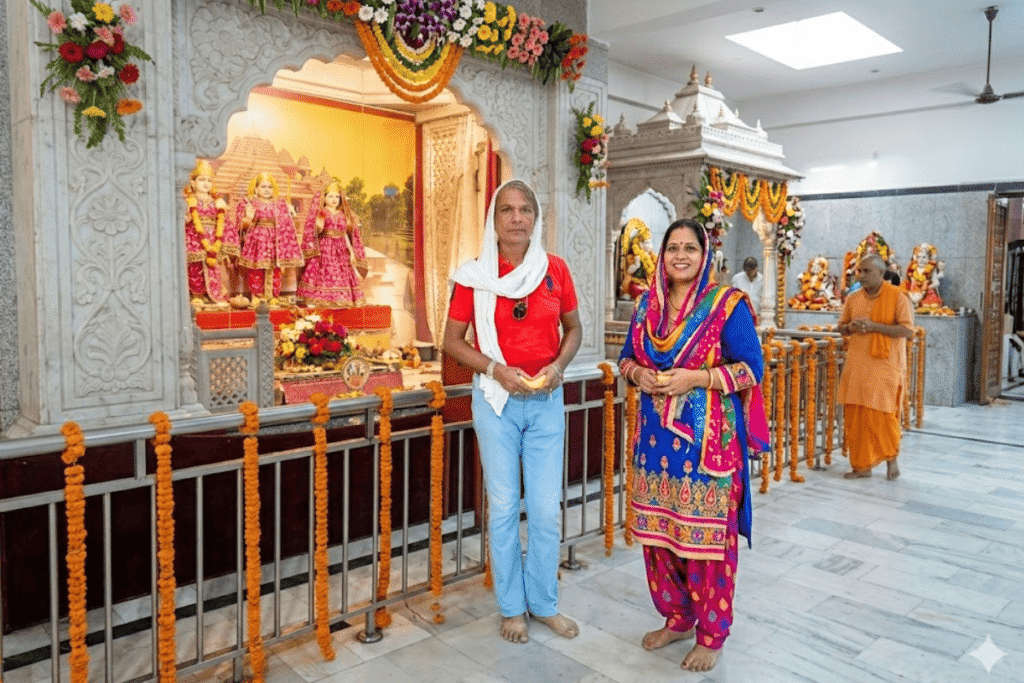
One of the most unique stops on the Mehrauli archeological park walk is Hijron Ka Khanqah, known for its deep cultural and spiritual connection with the hijra community. This lesser-known site adds a powerful human story to Delhi’s heritage, making the walk more meaningful beyond monuments.
A Blessed Story & Blissful Visit Hijron Ka Khanqah with a Friendly Guide
Yogmaya Temple – Ancient Spiritual Roots
Yogmaya Temple is believed to be one of the oldest temples in Delhi.
Its presence reminds visitors that Mehrauli’s history is not limited to Islamic or colonial periods but extends back to ancient times.
Adham Khan’s Tomb – Power, Betrayal, and Mughal Legacy Mehrauli
Adham Khan’s Tomb stands as a powerful reminder of Mughal ambition, drama, and downfall. Built around 1562 CE during the reign of Emperor Akbar, this massive structure was dedicated to Adham Khan, one of Akbar’s most trusted generals—and later, one of his greatest threats. During the Mehrauli archeological park walk, this monument offers more than just visual impact—it tells a dramatic story of loyalty, betrayal, and the firm justice of one of India’s greatest emperors.
St. John’s Church – A Quiet Colonial Pause
St. John’s Church offers a quiet and peaceful environment, surrounded by greenery that feels far removed from the busy city. Built in 1812 during the British period, it is one of the oldest churches in Delhi and reflects the early colonial presence in Mehrauli. Today, it provides a calm pause during the Mehrauli archeological park walk, where visitors can rest and reflect before continuing their journey through history.
Jharna – A Mughal Garden Retreat on Mehrauli Archeological Park Walk
Jharna was built around a natural spring, creating a peaceful Mughal garden oasis. During the Mehrauli archeological park walk, its flowing water, shaded trees, and quiet pathways offer a refreshing escape from the ruins. Once used as a retreat by Mughal rulers, Jharna still carries a serene charm, where the sound of water and greenery creates a calming and beautiful pause in your heritage walk.
Ahimsa Sthal – A Modern Spiritual Space
Ahimsa Sthal represents peace and non-violence. Its calm atmosphere contrasts with the ancient ruins, adding balance to the walk.
Nearest Metro Station to Mehrauli Archeological Park Walk
Reaching the starting point of your Mehrauli archeological park walk is easy thanks to Qutub Minar Metro Station.
Located on the Yellow Line, this metro station connects you directly to major parts of Delhi. From here, the park is just a short distance away, either by foot or a quick auto ride.