There are gardens in Delhi where you come to enjoy the greenery, and then there are gardens where the trees seem to whisper an old royal secret. Roshanara Garden is one of them.
Walk through its quiet paths and you eventually discover a modest tomb surrounded by the garden — the final resting place of Roshanara Begum, daughter of Mughal Emperor Shah Jahan and Mumtaz Mahal. But behind this peaceful garden lies a remarkable story of ambition, family rivalry, loyalty and power.
Come with Harry into Roshanara Garden, and the quiet tomb begins to feel very different. This is not simply the resting place of a Mughal princess. It is a place connected to one of the most dramatic struggles for the Mughal throne.
Walking into Roshanara Garden with Harry
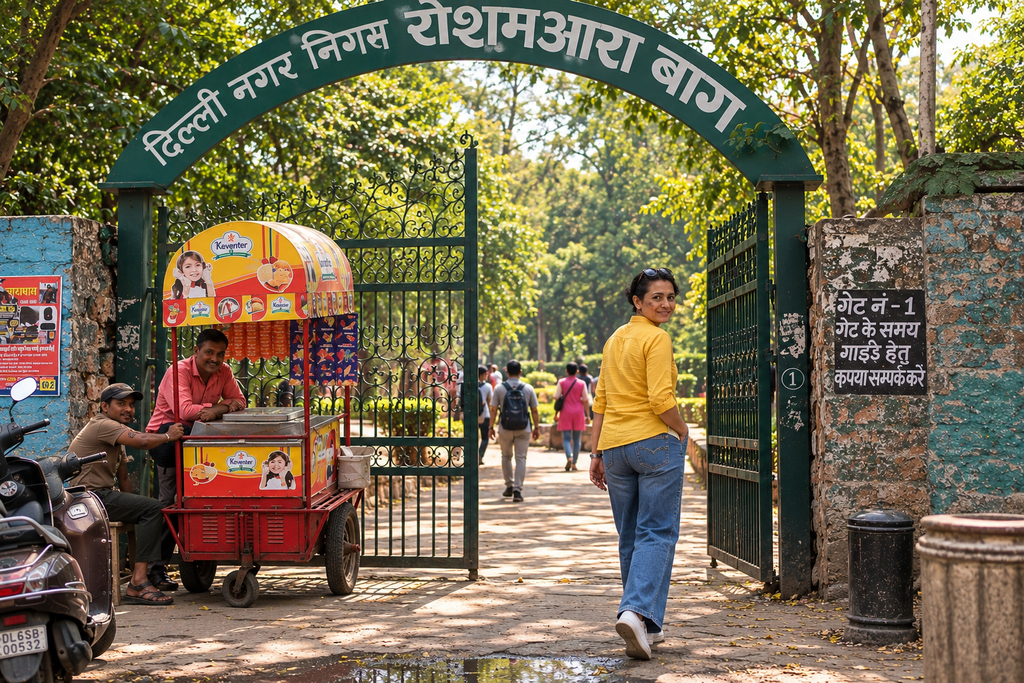
Our walk begins quietly. There is no grand entrance announcing that one of Delhi’s most intriguing Mughal stories is waiting inside.
Instead, you enter a green corner of North Delhi and slowly leave the noise of the city behind.
Harry’s stories make the place come alive. The garden that we see today has changed considerably from the Mughal landscape Roshanara knew. The original garden was laid out around 1650 in the Mughal tradition of a charbagh, with water channels, pavilions and carefully planned spaces. Much of that original design disappeared after the garden was remodelled as a public park during the British period.
Yet something important remains.
Her tomb.
And once you stand there, it is difficult not to wonder about the woman who chose this garden as her final resting place.
Roshanara Begum was one of the daughters of Shah Jahan Wiki and Mumtaz Mahal. While her elder sister Jahanara was closely associated with Dara Shikoh, Roshanara supported another brother — Aurangzeb — during the struggle that followed Shah Jahan’s illness.
It was a dangerous family conflict.
The Mughal princes were competing for the imperial throne, and Roshanara chose her side. Historical accounts describe her as an important supporter and confidante of Aurangzeb during his rise to power. After Aurangzeb became emperor in 1658, Roshanara was given the title Padshah Begum, placing her among the most powerful women at the Mughal court.
Suddenly, the quiet garden we are walking through has a very different story to tell.
This was the garden of a woman who had stood close to the centre of imperial power.
Roshanara and the Mughal War of Succession
The Mughal succession was not a simple story of one prince inheriting the throne.
Shah Jahan had several sons, and when he became seriously ill, the question of who would rule India became a dangerous family struggle. Dara Shikoh had the support of Jahanara Begum, while Roshanara supported Aurangzeb.
Roshanara’s political choice would change her life.
Aurangzeb eventually defeated his rivals and became emperor. Roshanara’s loyalty was rewarded with great influence at court, and for a time she became one of the most powerful women in the Mughal Empire.
But power rarely stays still.
Her relationship with Aurangzeb later deteriorated, and she withdrew from court life. The garden became associated with her later years and, after her death in 1671, became her final resting place.
A Garden, a Tomb and a Forgotten Royal Story
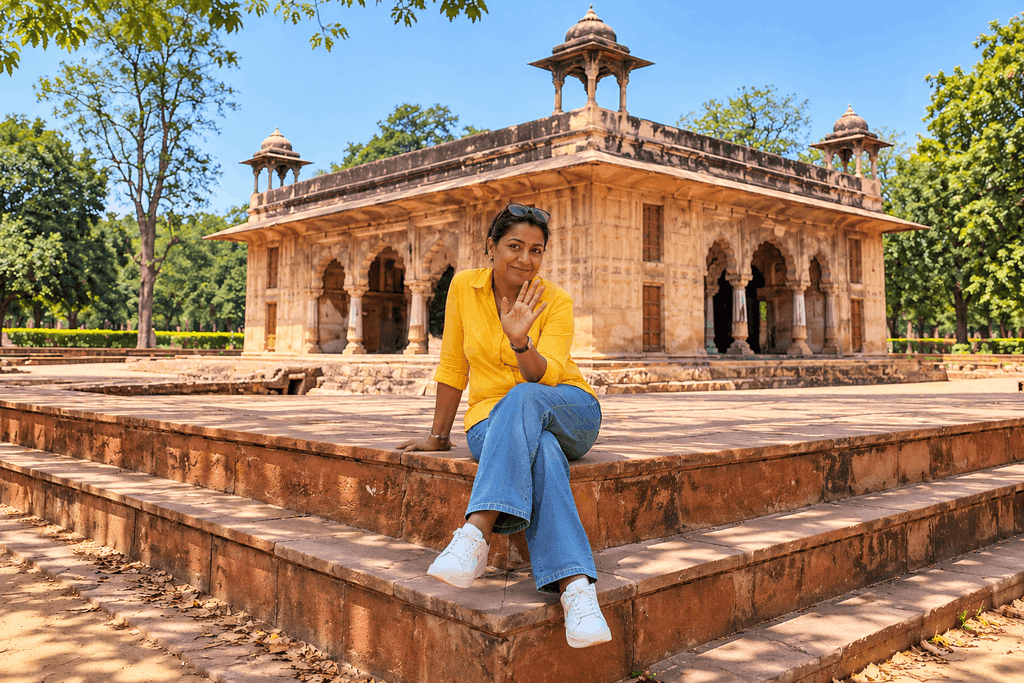
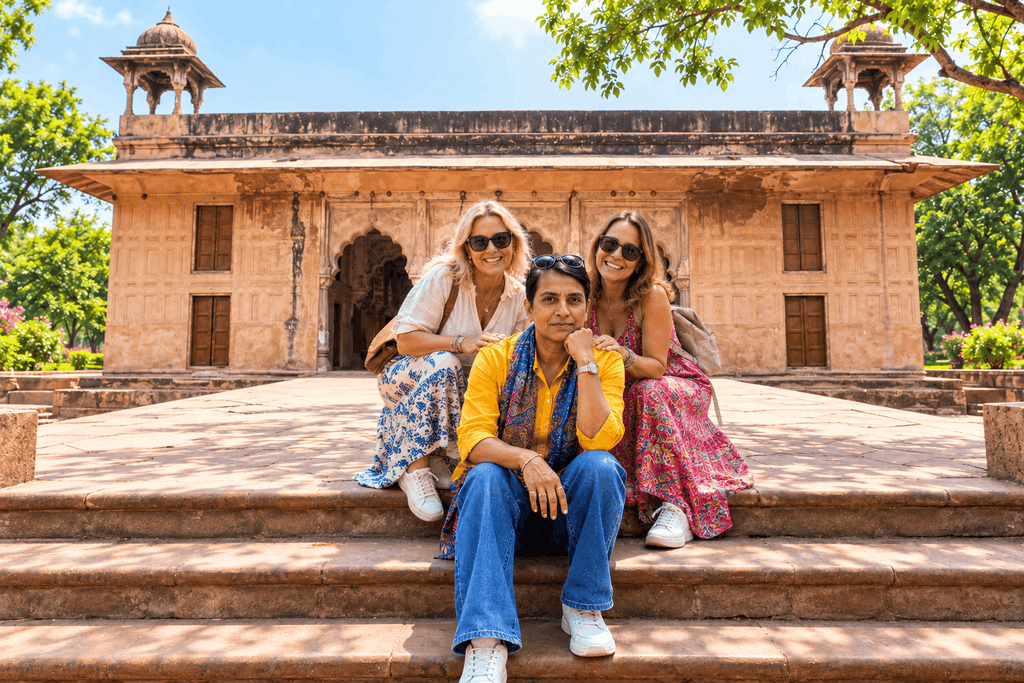
Standing beside Roshanara’s tomb, the simplicity is striking.
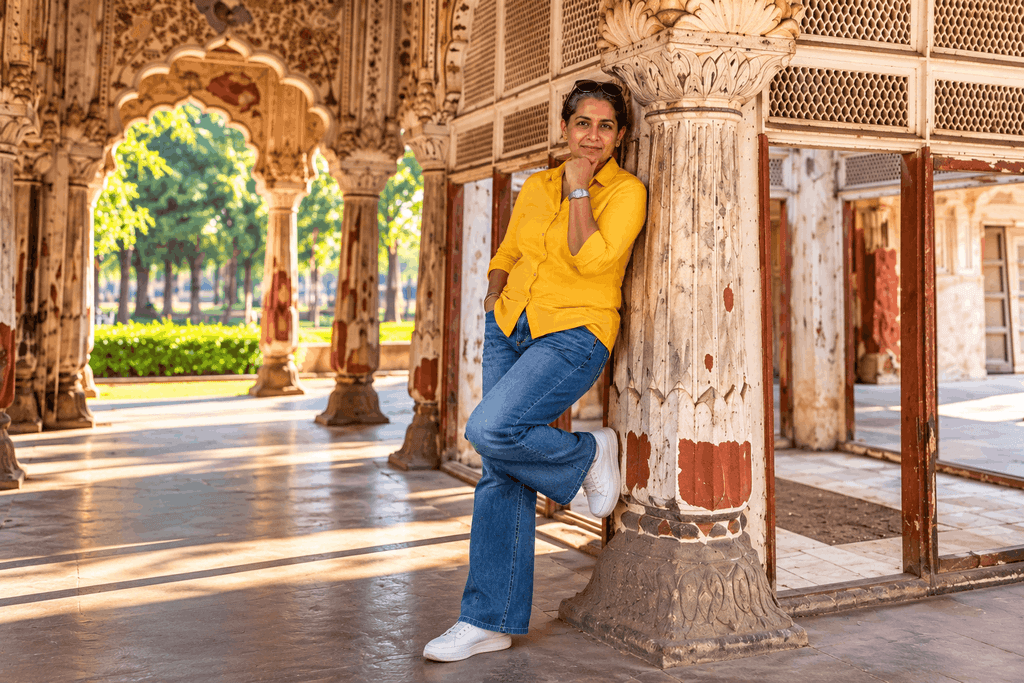
Unlike the enormous Mughal monuments that dominate photographs of Delhi, this is a much quieter memorial. The surviving structure contains the tomb at its centre, with architectural details that hint at the elegance of its earlier setting. The original garden also contained water channels and other Mughal garden features, some of which have survived in altered form.
There is something romantic about that contrast.
A woman who once moved close to the centre of Mughal power rests here in a garden that today feels peaceful and local.
The crowds are far away.
The stories are not.
What Happened to the Mughal Garden?
Roshanara Garden was originally conceived as a Mughal pleasure garden, but its landscape changed dramatically over the centuries.
During the British period, much of the original Mughal garden arrangement was remodelled into an English-style public park. Historical research notes that the original garden structures were largely removed, while the tomb, water channel and gateway survived.
This makes the garden especially interesting for anyone who enjoys looking beyond the famous monuments of Delhi.
You are not seeing a perfectly preserved Mughal garden.
You are seeing layers of Delhi — Mughal, colonial and modern — living together in one place.
Walk, Listen and Imagine Roshanara’s Delhi
A visit here is not about rushing from one monument to another.
Take a slow walk.
Look at the old masonry.
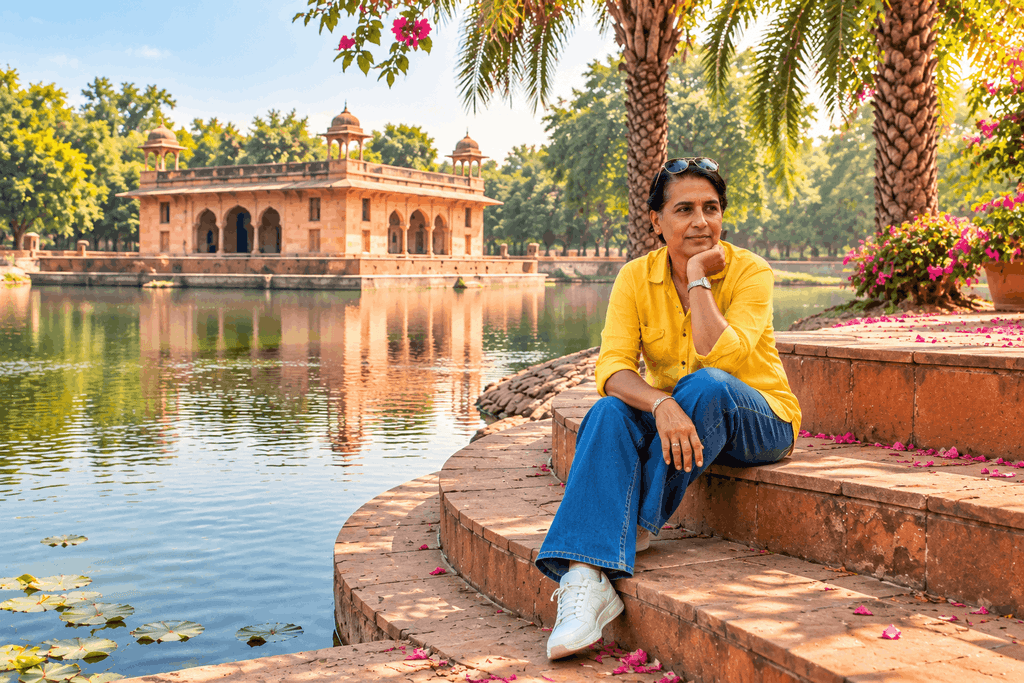
Stand beside the surviving water channel.
Pause at Roshanara’s tomb.
And imagine the garden in the seventeenth century, when Mughal gardens were designed as places of shade, water, beauty and escape from the heat of Delhi. Roshanara’s garden once formed part of a wider landscape of royal and noble gardens around Shahjahanabad.
This is where having a storyteller beside you makes a difference. A building can tell you its age, but a story can make you imagine the people who once stood there.
If you would like to explore Delhi with someone who connects its monuments with their stories, discover Harry as your Delhi Tour Companion.
Roshanara Garden Today
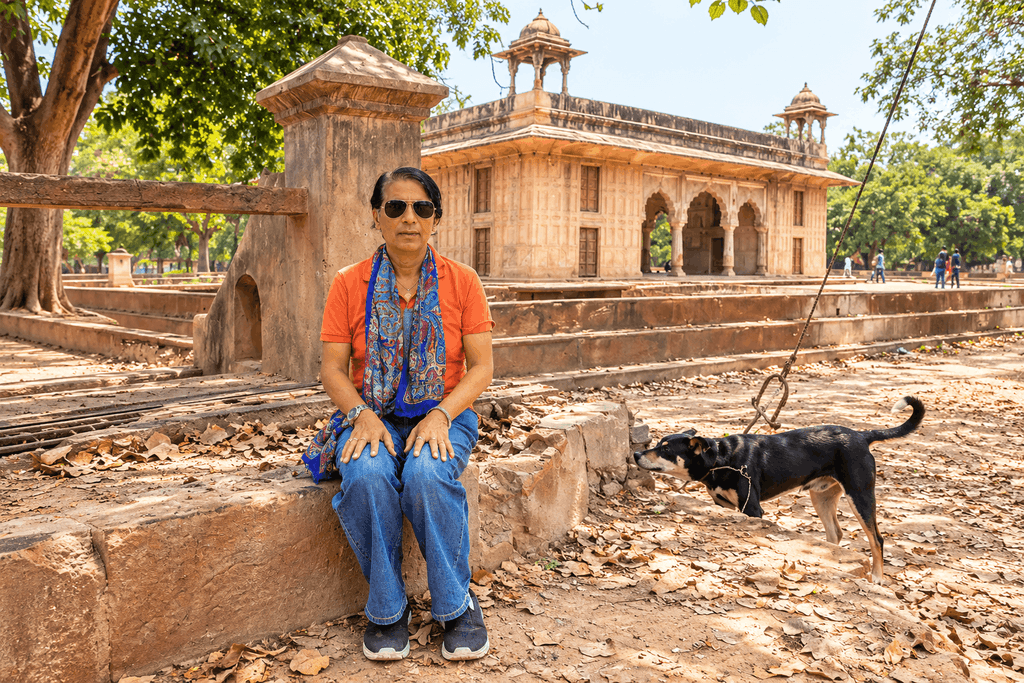
Today, Roshanara Garden is a large public garden in North Delhi, close to Shakti Nagar, Kamla Nagar and Delhi University’s North Campus. It is also known for its greenery, lake and birdlife, giving the historic setting a very different atmosphere from the Mughal court of the seventeenth century.
That contrast is part of its charm.
You can come here expecting a garden and leave having discovered a chapter of Mughal history.
You may come looking for Roshanara Garden.
But you leave remembering Roshanara Begum.
Continue the Story of Old Delhi
If Roshanara’s story makes you curious about the hidden histories around Delhi, continue exploring with Harry on the Old Delhi Heritage Walking Tour.
There are many stories beyond the famous monuments — quiet gardens, old gates, sacred places, forgotten streets and the people who shaped Delhi long before we arrived.
And sometimes, the most memorable stories are waiting in the quietest places.